



Classroom Activities to Build Social and Emotional Skills
DPS Gaya Team
Verified Author
In today’s fast-paced, ever-changing world, academic accomplishment is just one piece of a much bigger picture. Equally essential are the social and emotional skills that help students navigate life—both inside and outside the classroom. If you’re a business owner interested in educational partnerships or simply passionate about well-rounded student development, you might be curious: how do schools like DPS Gaya (Delhi Public School Gaya) prioritize emotional learning in school settings? The answer: through thoughtful, engaging classroom activities for students. This blog explores practical strategies teachers use to nurture emotional growth, why it truly matters, and how your institution or organization can support these efforts for a more empathetic, connected generation.
Why Social and Emotional Skills in the Classroom Truly Matter
We all remember lessons from our early school days—but chances are, the ones that stuck weren’t just algebra formulas or history dates. Maybe you recall the time you collaborated on a group project, or the help you gave a struggling classmate. These moments, while simple, played a significant role in shaping your abilities to communicate, empathize, and resolve conflict. It’s these kinds of social and emotional skills that become invaluable in teams, workplaces, and relationships later in life.
At Delhi Public School Gaya and similar educational institutions, fostering these qualities isn’t just “nice to have”—it’s essential. Emotional learning in school helps students handle adversity, build better relationships, and excel academically. For business owners, supporting schools in this mission means investing in a future workforce equipped with skills like active listening, empathy, and collaboration—the very foundation of positive organizational culture and productivity.
How Classroom Activities for Students Nurture Emotional Growth
So, how exactly do classroom activities lead to meaningful emotional growth and improved teamwork and communication skills? Let’s take a closer look at some core areas where carefully designed activities make all the difference.
Encouraging Student Empathy Development with Role Play
Few tools foster understanding like walking in someone else’s shoes. Teachers at DPS Gaya often use role-play activities where students act out real-life scenarios—everything from resolving misunderstandings with friends to handling peer pressure. This allows students to practice empathy and perspective-taking in a safe, controlled environment.
Students learn to identify their own feelings and understand others’ emotions.
Role play helps break down stereotypes and build respect for diverse experiences.
Collaboration: Building Teamwork and Communication Skills
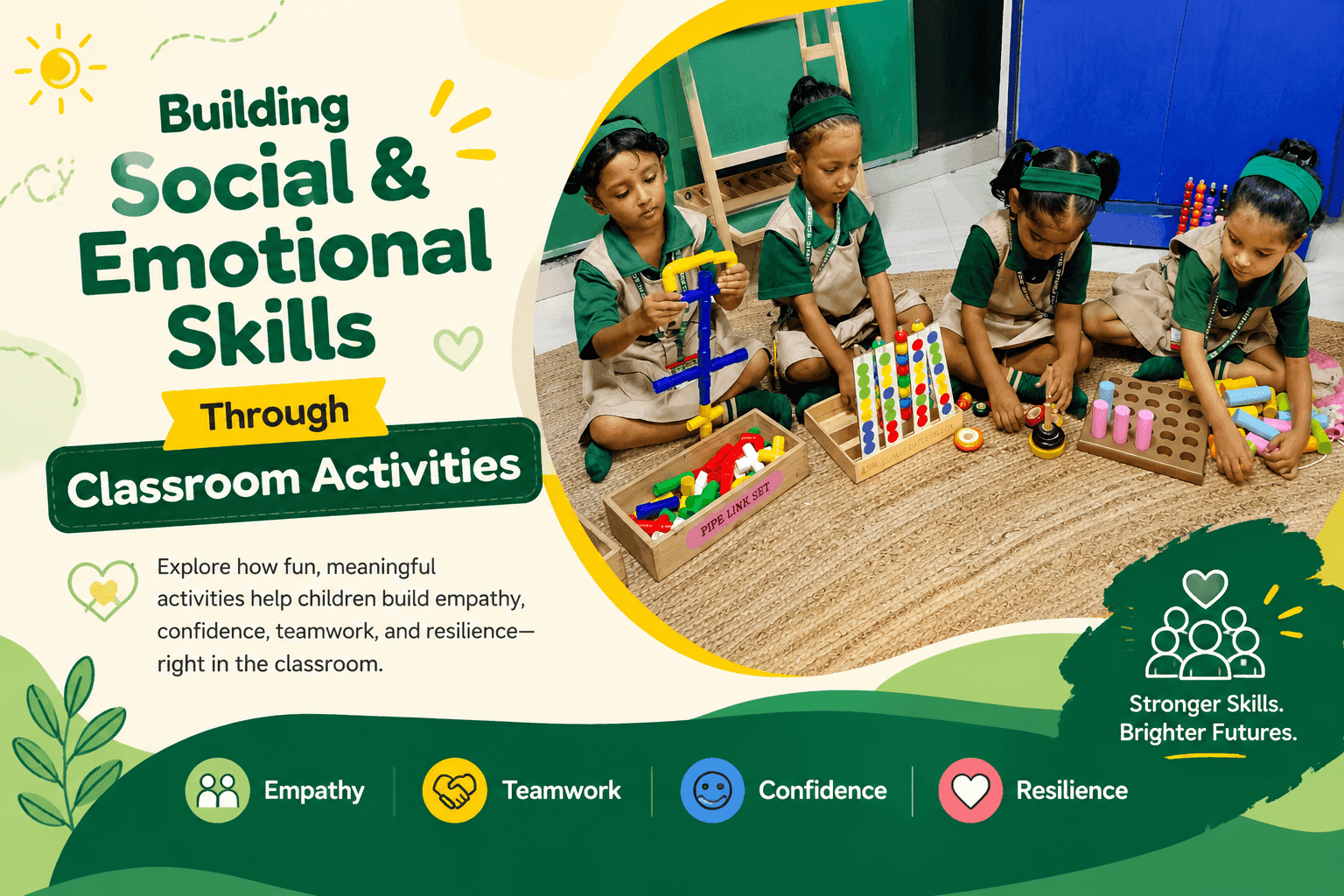
Group activities are a staple in emotional learning in school. When students are given a complex, hands-on project to complete—like building a model, solving a puzzle, or creating a group presentation—they inevitably face challenges. Navigating these challenges together:
Improves active listening and assertive communication
Teaches compromise, patience, and shared responsibility
For example, teachers at Delhi Public School Gaya might break the class into small teams and assign a planning exercise that requires consensus, open discussion, and democratic decision-making. Students learn firsthand that successful outcomes often hinge on respectful dialogue and collective effort.
Promoting Emotional Growth Strategies Through Reflection
Emotional growth doesn’t happen overnight—it requires moments of pause and self-reflection. Schools like DPS Gaya integrate reflective journaling and group discussions into the classroom routine. After a challenging activity or group interaction, students reflect either privately or with peers:
What went well? Where did feelings get in the way of collaboration?
How did they resolve conflicts, and how might they handle things differently next time?
These strategies encourage students to take ownership of their emotional responses and behavior, embedding self-awareness and growth mindset as lasting habits.
How Teachers Can Integrate Emotional Learning in School Every Day
If you’re considering how to support or implement these strategies—whether you manage a school, oversee a CSR initiative, or influence educational outcomes—the good news is that the foundation is simple. Here are a few practical, actionable tips teachers can adapt for their classrooms:
Start each day with a “morning meeting” or check-in, inviting students to share a thought or feeling in a supportive, non-judgmental space.
Facilitate cooperative games that focus on trust-building and collective success rather than competition.
Model open, respectful communication by listening actively to student concerns and validating their experiences.
Over time, these daily practices create a culture of empathy, trust, and emotional intelligence—one where academic and personal growth go hand-in-hand.
Supporting Social and Emotional Learning: What to Look for
If you’re a business owner exploring partnerships or evaluating educational programs, consider these markers of true commitment to emotional growth strategies:
Active engagement: Look for schools that regularly facilitate teamwork and empathy exercises, not just one-off events.
Teacher training: Are staff well-versed in social and emotional learning techniques? Ongoing professional development is key.
Inclusive culture: Choose institutions like Delhi Public School Gaya that celebrate diversity and encourage open, reflective dialogue.
Supporting organizations with these priorities not only helps students–it also enhances your brand reputation as a forward-thinking, people-first business.
Conclusion: Invest in the Leaders of Tomorrow
Building social and emotional skills through thoughtful classroom activities isn’t a passing trend—it’s an investment in future leaders who are empathetic, resilient, and ready to thrive in complex environments. Whether you’re a business owner partnering with visionary schools like DPS Gaya or an educator nurturing these qualities day after day, your role is pivotal in shaping a brighter, more emotionally intelligent future.
Curious how your organization can make a difference? Start by engaging with educational leaders, offering resources for classroom activities, or sponsoring programs that promote comprehensive emotional growth. After all, when we nurture the human side of education, everyone benefits—today and for generations to come.
Frequently Asked Questions
Classroom activities for students are designed to engage learners in a way that promotes interaction, collaboration, and empathy. These activities help in enhancing social and emotional skills by creating scenarios where students must communicate effectively, work as a team, and show consideration for the feelings of others.
Effective classroom activities for fostering emotional learning in school include role-playing games, group discussions, and collaborative projects. Such activities encourage students to practice empathy and teamwork, which are crucial for emotional growth and understanding.
Student empathy development is important because it enables learners to understand and relate to the emotional experiences of others. This not only improves their interpersonal skills but also creates a more inclusive and supportive classroom environment, essential for overall social and emotional growth.
Teamwork and communication skills can be developed in students by engaging them in group tasks, where they must communicate their ideas clearly and cooperate with peers to achieve common goals. Activities such as group projects, peer teaching, and cooperative learning strategies are effective for instilling these skills.
For schools like DPS Gaya, recommended emotional growth strategies include implementing a curriculum that integrates emotional learning topics, training teachers in emotional intelligence, and organizing regular workshops and seminars focusing on emotional skills development.
Emotional learning in school contributes to academic performance by improving students' ability to handle stress, enhancing their focus, and fostering a positive learning environment. When students understand and manage their emotions, they are more likely to perform well academically.
Get in Touch
Still have questions? Fill out the form below and our team will get back to you shortly.