



How Schools Build Problem-Solving Skills in Children
DPS Gaya Team
Verified Author
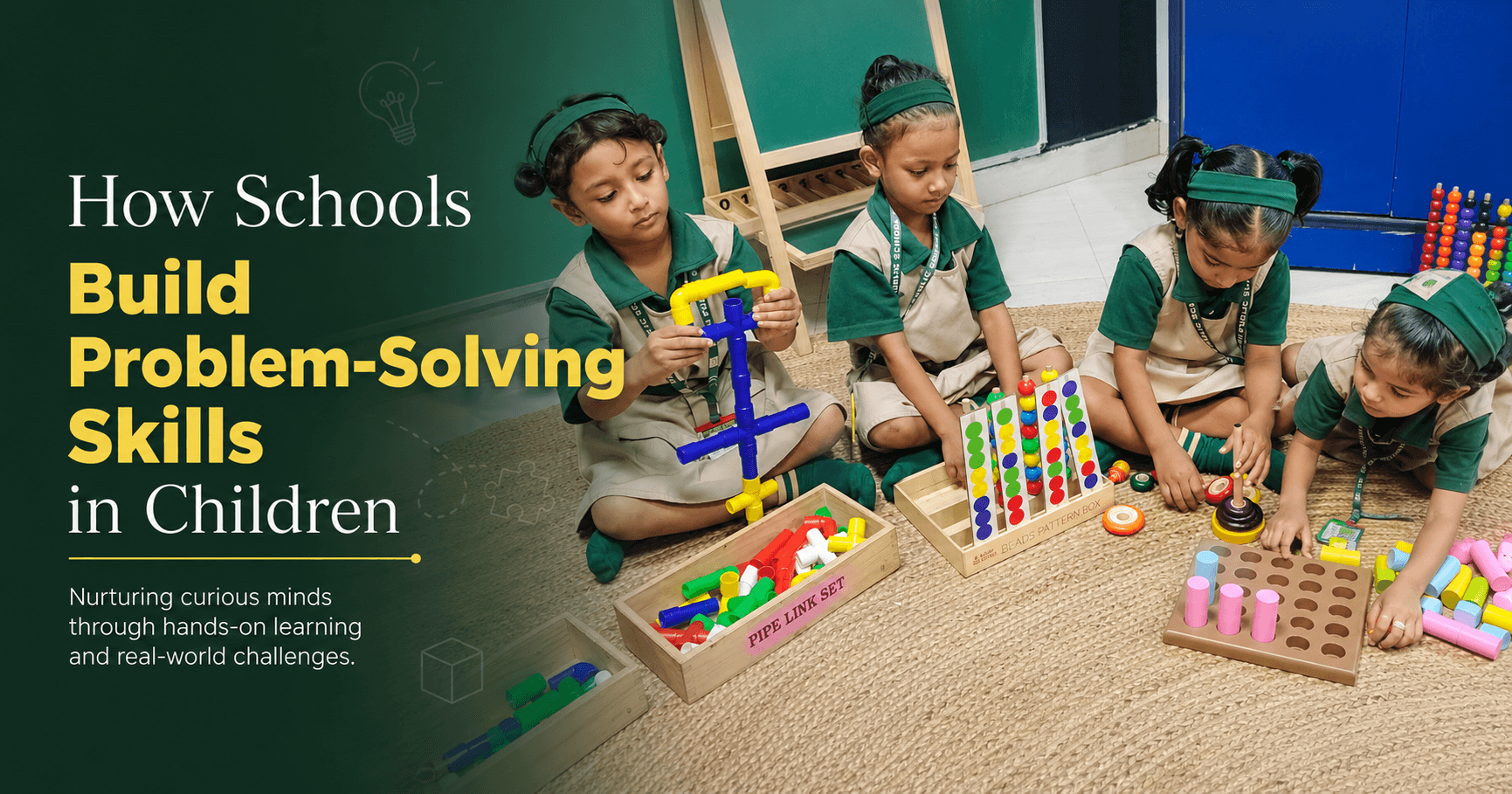
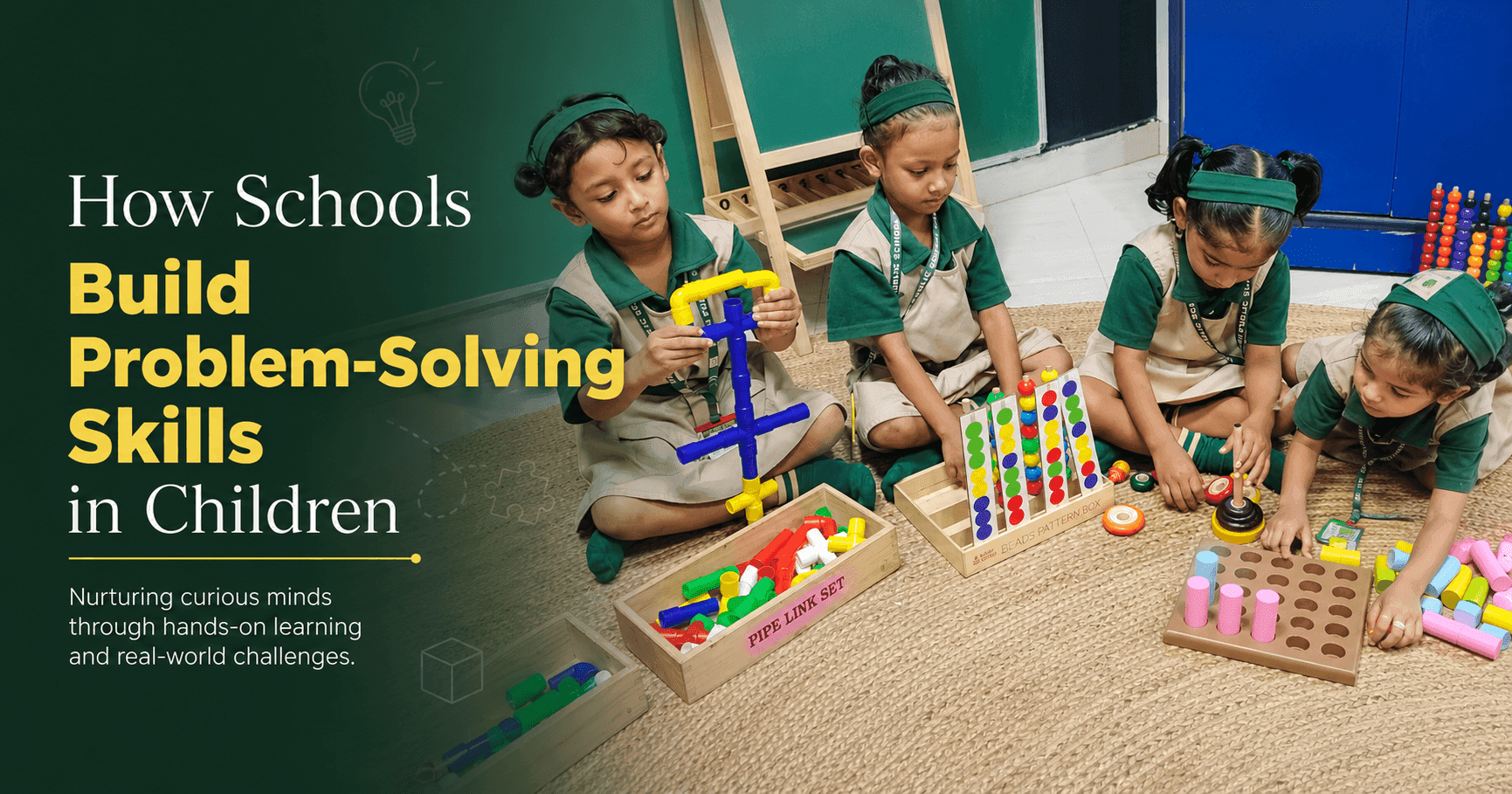
If you’ve ever watched a group of kids build a skyscraper out of blocks, you’ve seen problem-solving in motion. There’s negotiation, trial and error, and that “aha” moment when it all comes together. Now imagine if schools could nurture those same problem-solving skills in children every single day, within every lesson. The good news? They can and there are some wonderfully creative ways to make it happen! Whether you’re a parent, educator, or anyone who cares about growing curious minds, understanding how schools build these essential skills can help you support the next generation of thinkers and doers.
Why Teaching Problem-Solving Skills in Children Matters
Let’s face it life rarely hands us answers on a silver plate. From figuring out a tough math problem to sorting out disagreements with friends, children encounter all sorts of challenges. By developing problem-solving skills in children early on, we give them tools to handle whatever comes their way, inside and outside the classroom.
It’s not just about exams or homework. Problem-solving skills shape how kids deal with mistakes, take initiative, and work with others. Imagine a child who, instead of giving up when their science project flops, tries a new approach or asks classmates for advice. That’s resilience coupled with creative thinking a skill set for academics and, more importantly, for life. Schools like DPS Gaya have recognized the value here, weaving opportunities for critical thinking and collaboration into everyday learning.
Activity-Based Learning: Making Lessons Stick
Sitting through endless lectures is tough for adults, let alone a room full of energetic children. That’s why activity-based learning is a game-changer. Hands-on tasks like building simple machines in science, solving story-based riddles in literature, or creating art from recycled materials put kids at the center of their own learning.
With child-centric learning, children are encouraged to ask questions, hypothesize, and test their ideas. This approach taps into their natural curiosity. For example, rather than reading about the water cycle, students might set up simple experiments at school or home and watch evaporation and condensation unfold for themselves. It’s not just learning facts; it’s about discovering through doing, reflecting on mistakes, and celebrating small wins.
Critical Thinking Through Experiential Learning
Experiential learning isn’t a fancy buzzword it’s the art of learning by experience. Schools focused on nurturing problem-solving skills in children use this approach to create memorable lessons that go beyond textbooks.
For instance, instead of memorizing steps for long division, students might open a pretend shop where they calculate change daily. Or students might plan a garden, considering conditions, resources, and the needs of the plants. In these scenarios, every mistake or unexpected result is a lesson in itself.
Why does this matter? Because when kids are active participants, they not only retain information better but also apply it more flexibly just as they’ll need to in real-life situations. As seen in forward-thinking schools like DPS Gaya, experiential learning creates confident, adaptable problem solvers.
Teamwork and Communication: Skills for a Connected World
Problem-solving rarely happens in isolation. Think about your own day how often do you bounce ideas off coworkers or talk through tricky decisions with friends? The classroom is the perfect playground for these skills.
When students team up for group projects, they learn to listen, delegate, and blend multiple ideas into one solution. It’s not always smooth sailing sometimes, the loudest voice or a clash of opinions can stall progress. But with guidance, these moments turn into powerful lessons about compromise and empathy.
For schools, fostering child-centric learning means designing activities where everyone’s input matters. This could be as simple as classmates working together on a mural or designing a science exhibit. In these moments, problem-solving becomes a shared adventure.
Creative Classroom Practices That Build Problem-Solving Muscles
Sometimes, the simplest tweaks can spark big growth in problem-solving skills in children. Teachers can encourage “think-alouds” where kids explain their thought process out loud helping everyone understand that there’s more than one right way to tackle a challenge. Open-ended questions (“What could happen if we try it this way?”) also prompt deeper thinking.
Schools can build in challenges that mimic real-life dilemmas: designing eco-friendly projects, simulating community debates, or hosting “escape room” games based on curriculum topics. These methods make learning vibrant, unpredictable, and rewarding. Not only do students grow their resilience and inventive thinking, but teachers also get a clearer window into each child’s unique approach keys to truly child-centric learning.
How To Encourage Problem-Solving at School: Practical Tips
Let kids experiment, make mistakes, and reflect on what worked or didn’t growth happens in the trying.
Value questions as much as answers. Create an environment where “Why?” and “What if?” spark discovery rather than end the discussion.
Foster group work with clear roles so every child has a voice and finds their strength in the process.
What to Look for in a Problem-Solving-Focused School
If you’re choosing a school or evaluating your child’s learning environment, look for signs of child-centric, experiential learning. Questions worth asking include:
Does the school encourage hands-on projects, open-ended inquiry, and exploratory play as part of the curriculum?
Are teachers trained to facilitate teamwork, coach critical thinking, and guide students to reflect on their learning?
Is real-world relevance woven into lessons? For example, do students solve community challenges or connect learning to everyday life?
Schools like DPS Gaya provide excellent models, with strong commitments to nurturing the whole child not just test scores by building enduring life skills.
Conclusion: Empowering Children for the Road Ahead
Ultimately, when schools invest in building problem-solving skills in children, they’re investing in confident, capable citizens. These are the skills that fuel academic growth, foster healthy relationships, and turn obstacles into opportunities. Whether in a science lab, on a playground, or through a friendly classroom debate, every experience can help kids learn to think deeply and act bravely.
If you’re an educator, parent, or community member, advocate for these practices. Seek out environments—like those at DPS Gaya where child-centric learning and experiential approaches are not afterthoughts, but the heart of education. The payoff? Children who are not just book smart, but ready for whatever adventures (and challenges) lie ahead.
Frequently Asked Questions
Schools can enhance problem-solving skills in children by incorporating activity-based learning, promoting critical thinking exercises, and providing opportunities for teamwork and real-life challenges. These methods encourage students to think creatively and develop solutions effectively.
Child-centric learning plays a crucial role in developing problem-solving skills as it focuses on the needs and interests of each child. By tailoring educational experiences, children are more engaged and motivated to participate in activities that sharpen their problem-solving abilities.
Experiential learning is important for building problem-solving skills in children because it involves hands-on activities that allow students to learn by doing. This approach fosters critical thinking and helps children apply theoretical knowledge to real-world situations, enhancing their ability to solve problems.
DPS Gaya implements strategies for improving problem-solving skills by integrating creative classroom practices and offering diverse learning opportunities that challenge students to explore various solutions. This comprehensive approach ensures children develop essential problem-solving skills effectively.
Creative classroom practices to nurture problem-solving skills in children include group discussions, project-based learning, interactive simulations, and role-playing activities. These practices encourage students to collaborate, think critically, and innovate solutions in a supportive learning environment.
Get in Touch
Still have questions? Fill out the form below and our team will get back to you shortly.