



Unleashing Future Skills with Early Coding & AI Learning
DPS Gaya Team
Verified Author
If you’ve ever wondered what the buzz is around coding and AI learning for students these days, you’re definitely not alone. With technology reshaping just about every part of our lives, parents, educators, and even students themselves are searching for ways to stay ahead. It’s not just about computers anymore—it’s about real-world skills that start with a keyboard and quickly expand to logical thinking, creativity, and even future-ready confidence. In this article, we’ll dig deep into the benefits of coding and AI learning from early school years. Whether you're a parent, teacher, or curious learner, you’ll find both inspiration and practical tips here.
Why Coding and AI Learning for Students Matters Now More Than Ever
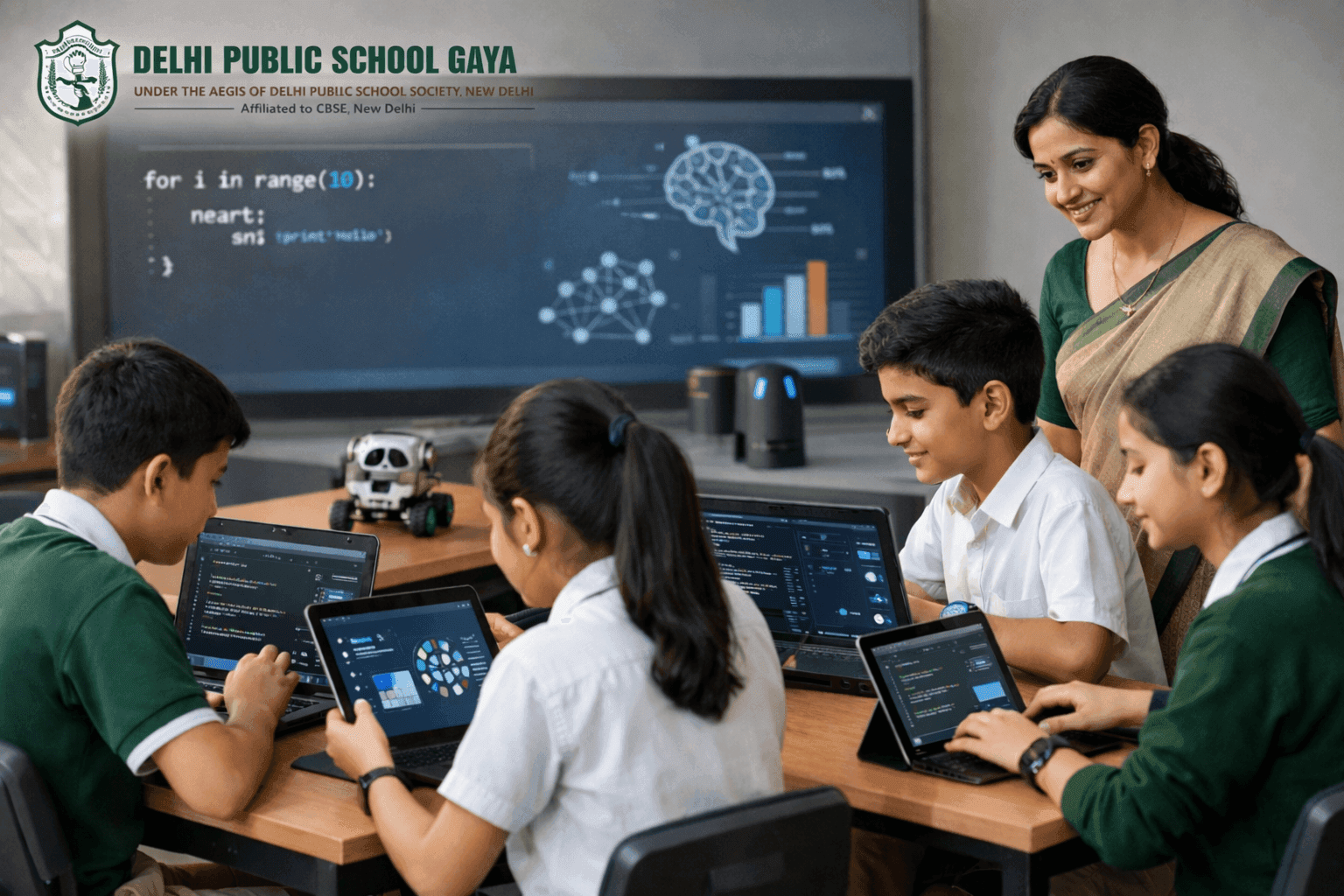
Imagine a world where kids don’t just play with technology—they understand it, shape it, and maybe even reinvent it. That’s what happens when coding and AI learning in schools become a natural part of the curriculum. The importance of coding in education is more than a trend; it’s a lifestyle shift.
Think of Lucy, a student who started coding at age eight. Before she even hit double digits, Lucy was building simple games and teaching her classmates. Her confidence skyrocketed, and teachers noticed she tackled math and problem-solving tasks more creatively. Stories like Lucy’s aren’t rare; they’re becoming the norm as early age coding benefits ripple through school systems globally.
The cultural shift is clear. Coding for school students isn’t just a technical skill—it teaches resilience, persistence, and collaboration. It’s about finding joy in troubleshooting, dancing through data, and understanding how the digital world ticks. And as AI education for beginners picks up momentum, students aren’t just prepping for tests; they’re prepping for life itself.
Building Strong Problem-Solving Muscles
Coding is like a workout for the brain. When kids jump into coding and AI learning for students, they learn to see challenges as puzzles, not obstacles. The process demands careful analysis, persistence, and, above all, creative thinking. These are benefits of coding for kids that stretch far beyond the classroom.
For instance, debugging a simple piece of code requires logical reasoning, patience, and the satisfaction that comes with finally solving the puzzle. Over time, these experiences teach students how to handle setbacks—whether in tech projects or everyday dilemmas.
Fostering Creativity and Innovation
While many picture coding as a “numbers game,” it’s actually a playground for imagination. Early age coding benefits include letting kids build games, animations, and even AI-powered chatbots from scratch. The thrill of turning a wild idea into a work of art, a tool, or an interactive story is simply priceless.
AI learning in schools adds another creative layer. Students experiment with making predictions, analyzing data, and bringing new concepts to life. It’s the kind of creative empowerment that turns kids from passive tech users into bold creators.
Preparing for Future Careers and STEM Education
The world needs innovators, and STEM education for kids is the foundation. Coding for school students isn’t just about the next gadget—it’s about the next opportunity. AI education for beginners puts students ahead in industries where technology is at the heart of everything—healthcare, engineering, design, and more.
When students learn to code and explore AI, they get a head start on future skills for students that will matter in tomorrow’s job market. Even if they don’t end up in tech, logical thinking and problem-solving stay with them for life. Employers look for these qualities, and today’s students can showcase them early.
Boosting Logical Thinking and Collaboration
Coding and AI learning for students encourage logical thinking. Kids follow steps, spot patterns, and predict outcomes. As projects grow, teamwork becomes crucial—one student designs, another tests, yet another debugs. The process mirrors real-world collaboration.
- Students learn to break big challenges into bite-sized tasks.
- They practice clear communication to help teams succeed.
- Logic grows naturally, making math, science, and even writing easier.
AI learning in schools also introduces ethical thinking—a hot topic as technology influences more decisions. Students discuss not just how AI works, but how and why it matters, building both technical and social awareness.
Practical Tips for Starting Coding and AI Learning Early
Jumping into coding and AI education for beginners doesn’t have to feel intimidating. Here are a few simple ways to get started:
- Use beginner-friendly platforms like Scratch, Code.org, or LEGO robotics kits for fun, hands-on learning.
- Encourage mini-projects—whether building a simple webpage or training a basic chatbot. Celebrate progress, not perfection.
- Integrate coding activities with other subjects, like science or art, to spark interdisciplinary curiosity.
Parents and teachers don’t need to be tech experts. The best learning happens when adults let kids explore, ask questions, and even teach others what they've discovered.
Choosing the Right Tools: What to Look For
If you’re investing in coding and AI resources for students, make sure the tools match their age and interest. Here are some pointers to keep in mind:
- Quality: Opt for platforms known for reliability, safety, and positive reviews from educators.
- Sustainability: Pick resources that offer ongoing support and can grow with the student’s skills.
- Flexibility: Look for tools that allow students to try new projects—from basic coding to more advanced AI.
Always check for a balance of guided lessons and opportunities for creative exploration—kids learn best when they’re both supported and challenged.
Ready to Start? The Next Steps in Coding and AI Education
Coding and AI learning for students aren’t just technical skills—they’re keys to a future where creativity, logic, and collaboration drive success. The benefits of coding for kids are clear: improved problem-solving, boosted confidence, and a genuine excitement for learning.
Whether you’re a parent eager to see your child grow, a teacher excited to include new lessons, or a student looking to explore, the first step is simple: try, learn, experiment. Embrace the journey, start small, and keep going. The doors to tomorrow’s opportunities are wide open for those ready to code and create.
Curious about which coding and AI resources will fit your needs? Explore vetted platforms, join online communities, and reach out to local educators. The adventure starts now—let’s unlock those future skills for students together.
Get in Touch
Still have questions? Fill out the form below and our team will get back to you shortly.