



Why Co-Curricular Activities Are as Important as Academics for Your Child
DPS Gaya Team
Verified Author
There’s always been this gentle debate among parents, educators, and even students: “Are co-curricular activities really as important as academics?” If you’re part of a school community or run any business connected to education, that question likely pops up more often than not. Whether you’re a parent looking for the right environment or a business owner in the educational sector, understanding the importance of co-curricular activities can transform how you look at child development, school culture, and lifelong success.
Why the Importance of Co-Curricular Activities Goes Beyond Textbooks
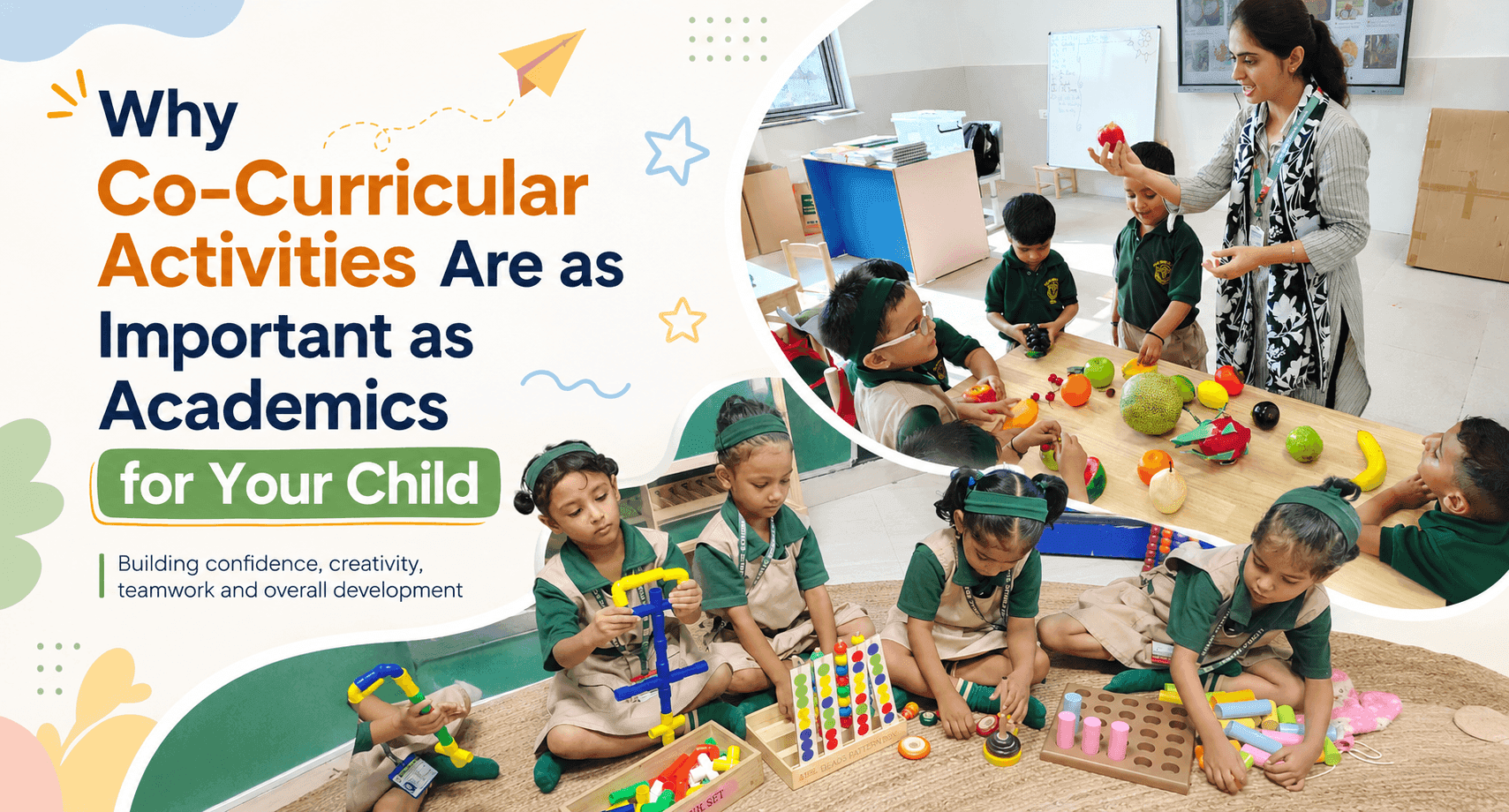
Remember your school days? The thrill of winning your first quiz contest or performing in a school play? That sense of achievement stays with you, often longer than any algebra formula. Co-curricular activities—think debates, arts, sports, music, leadership roles, and social clubs—aren’t just fun breaks. They’re essential for child overall development.
Culturally, many of us grew up with the notion that grades are king. But now, there’s a growing understanding that kids need more: creativity, emotional intelligence, resilience, teamwork, and the confidence to speak up and stand out. These so-called “soft skills” set the foundation for leadership and adaptability, traits businesses everywhere—from tech startups to schools like Delhi Public School Gaya-truly value.
The Deeper Benefits of Co-Curricular Activities
Building a Well-Rounded Personality in Children
It’s easy to get lost in test scores and homework assignments. But academics alone don’t cover the full spectrum of personality development in children. Activities like elocution, community service, or being part of a science club teach empathy, time management, and problem-solving in real time. Over the years, these skills become second nature, helping kids excel both inside and outside the classroom.
The Role of Co-Curricular Activities in Education: Lessons for Life
The classroom is just one piece of the educational puzzle. Co-curricular activities play a pivotal role by:
Encouraging collaboration and healthy competition
Offering a productive outlet for energy and creativity
Instilling values like fairness, discipline, and perseverance
For example, a student athlete at Delhi Public School Gaya learns the value of commitment and teamwork every day on the field. Meanwhile, a music club may foster dedication, patience, and self-expression—qualities that blend seamlessly into academic progress.
Balanced Development: More Than Just Academic Achievement
It’s become increasingly clear that balanced development is crucial in preparing kids for the world. By mixing classroom learning with sports, arts, or volunteering, schools support comprehensive growth in children. This holistic approach nurtures mental health and well-being—so students aren’t just memorizing facts, but growing as enthusiastic, resilient, and curious individuals.
Many leading institutions, like Delhi Public School Gaya, integrate these practices into daily life. It’s not about “either-or” but creating harmony between math equations and life lessons learned outside the classroom walls.
Boosting Confidence and Leadership Skills
Confidence isn’t something that can be taught through a textbook; it’s something that develops through experience. When children participate in debates, organize school fairs, or take up leadership positions in clubs, they learn public speaking, collaboration, and the art of motivating a team. All these things go a long way in building leaders who feel comfortable coping with new challenges—be it in school, work, or their communities.
For business owners, understanding this aspect means recognizing and supporting school environments or extracurricular programs that truly benefit a child’s future success. It’s a direct investment in talent, creativity, and lifelong learning attitudes.
How to Choose or Support Effective Co-Curricular Activities
For parents, educators, or business owners invested in schools like Delhi Public School Gaya, here’s how you can maximize the benefits of co-curricular activities:
Assess the child’s interests and strengths: Encourage kids to explore different activities until they find what clicks.
Look for variety and quality: A robust program should offer diverse options—sports, arts, technology, volunteering—so all children can find their own path.
Prioritize balance: Neither academics nor co-curricular activities should overpower the other. True development comes from integrating both smoothly.
And if you’re designing or investing in a school’s curriculum, consider programs that develop soft skills alongside academic rigor. Today’s global workplace often values adaptability, teamwork, and creative thinking as much as—it not more so than—expertise in specific subjects.
What Makes a Co-Curricular Program Stand Out?
Before choosing (or supporting) any program, check for these essentials:
Qualified and enthusiastic mentors who inspire rather than just instruct
Safe, supportive learning environments where students are encouraged to take risks and make mistakes
Opportunities for every child—including those who are shy or just starting out—to get involved without fear of judgement
Conclusion: Growing Beyond Grades
At the end of the day, the importance of co-curricular activities goes hand-in-hand with academic achievement. These activities help unlock confidence, culture, and character—elements that outlive any report card. When you see a child step out of their comfort zone, lead a project, or find joy in a new hobby, you witness growth that textbooks alone can’t provide.
Whether you’re a parent deciding on the right school or a business owner supporting educational ventures, remember: nurturing the whole child is what makes lifelong learners—and future leaders. Why not explore how a balanced environment, like at Delhi Public School Gaya, can set up the next generation for success?
Curious about integrating more co-curricular opportunities into your child’s (or organization’s) routine? Start a conversation today. Discover, get involved, and watch young personalities truly bloom beyond the boundaries of any classroom.
Frequently Asked Questions
Co-curricular activities play a crucial role in a child's education by complementing academic learning, fostering creativity, teamwork, and leadership skills which are vital for holistic child overall development.
Co-curricular activities benefit your child's overall development by enhancing social skills, boosting confidence, and promoting better physical and mental health, leading to well-rounded personality development in children.
Co-curricular activities are essential for personality development in children as they encourage self-expression, build confidence, and cultivate various life skills like time management and problem-solving.
Schools like Delhi Public School Gaya emphasize co-curricular activities because they understand the importance of balancing academics with activities that nurture creativity, teamwork, and leadership, essential for a child's comprehensive education.
The key benefits of co-curricular activities in education include improved academic performance, enhanced social interaction, better time management skills, and increased engagement, all contributing to a child's holistic development.
Co-curricular activities provide children with opportunities to take on responsibilities, lead teams, and make decisions, which are instrumental in developing strong leadership skills crucial for their future endeavors.
Get in Touch
Still have questions? Fill out the form below and our team will get back to you shortly.